A Meeting Registration Form Template acts as a compass for gatherings, clarifying who attends, when and where, and how participants will receive updates afterward. Printing and distributing it keeps expectations clear and the event moving from sign-in to start without hiccups.
Many people misunderstand what a form can do. Some think it is only for corporate events with long legal language. Others assume a template must be complex and unchangeable. In truth, a Meeting Registration Form Template is a flexible tool that captures essential details while remaining approachable. It reduces miscommunication by standardizing what to collect and how to present it, yet it can be adapted for different event types—from a small community meetup to a classroom workshop. By prioritizing clear labels, you invite accurate responses, and you protect attendee privacy by restricting fields to what’s necessary. When you print it, you create a physical anchor that survives changing online links and last-minute venue updates.
Who uses this template ranges from teachers and club organizers to HR teams and nonprofit coordinators. Schools print registration forms for field trips, parent meetings, or guest lectures. Businesses keep a simple version for internal training sessions. Community centers rely on it for volunteer signups and event volunteers. The key is audience-aware design: large, legible type, simple fields, and a layout that can be filled by hand if needed. Also consider privacy: collect only contact info you need and clearly state how data will be used.
Key Components
At a glance, a Meeting Registration Form Template collects: attendee name, preferred contact method, organization or school, role, and RSVP status. It should offer date, time, and location fields, plus optional session choices or breakouts. A small space for accessibility needs or dietary preferences helps the event tailor accommodations. Consider including a checkbox for permission to share updates and a field for emergency contact. On a printable page, group related items, use a clean typeface, and leave ample margins so the form remains readable when printed on letter-sized or A4 paper.
Layout Tips
Practical uses expand beyond the obvious sign-in sheet. Take a moment to imagine a classroom workshop: the form doubles as a quick roster and a planning tool for seating or refreshments. In clubs, it records member roles and upcoming session interests. For meetings, it helps manage capacity and tracks attendance for future follow-ups. You can also create a version with checkboxes for session attendance, enabling easy tallying. When printed, every field should have a clear label and sufficient space; when needed, you can duplicate pages to accommodate larger groups.
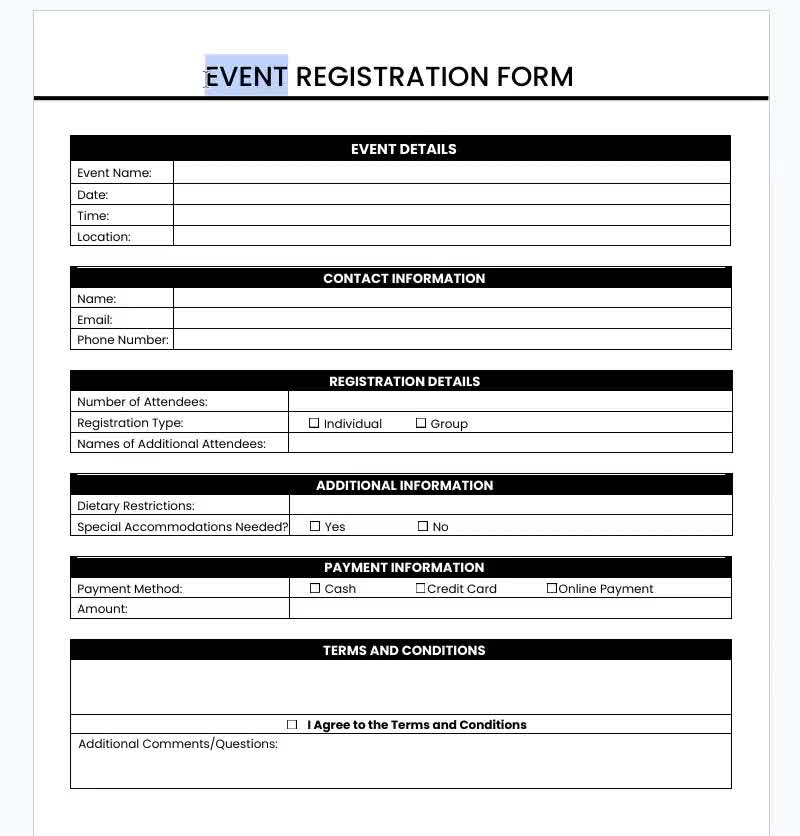
The printable form benefits from a clean header, generous whitespace, and logical grouping. Use a light grid or simple lines to guide handwriting without clutter. Include a short consent line about data use and a disclaimer about sharing contacts with the event team only. For accessibility, choose a high-contrast combination and a legible font, with a minimum of 10-point text. If you print in grayscale, rely on varying shading rather than color to separate sections.
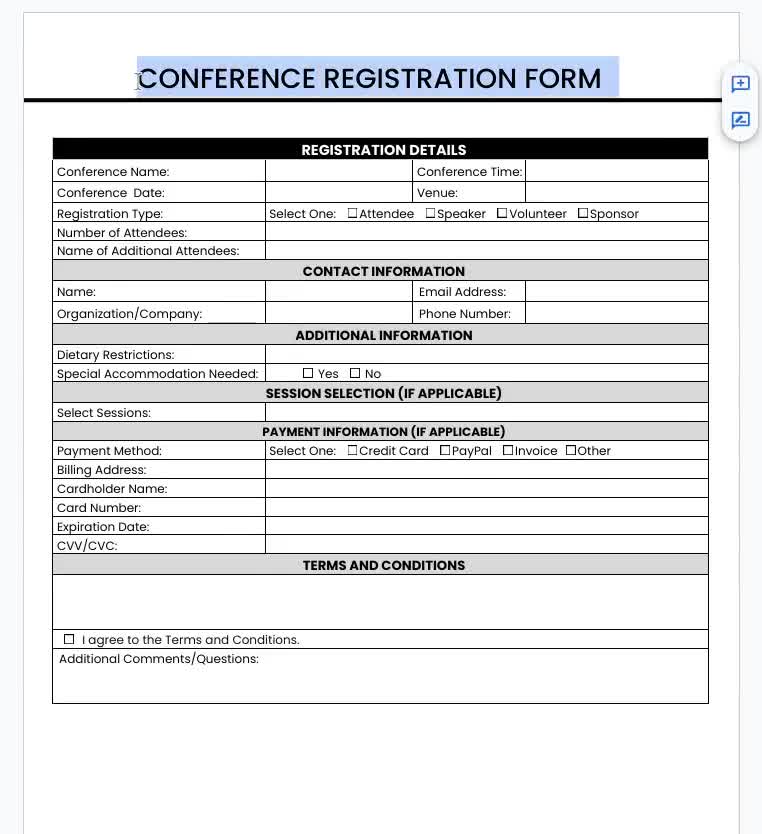
Beyond the page, think about privacy and distribution. Store forms in a secure location and limit who sees the data. If the event is recurring, save a master template and swap in new details for each session. You can also offer a complementary digital version that mirrors the printable fields, ensuring accessibility for participants who prefer to fill out forms online. When designing new pages, test readability at typical sizes and consider including a small notes area for special instructions.
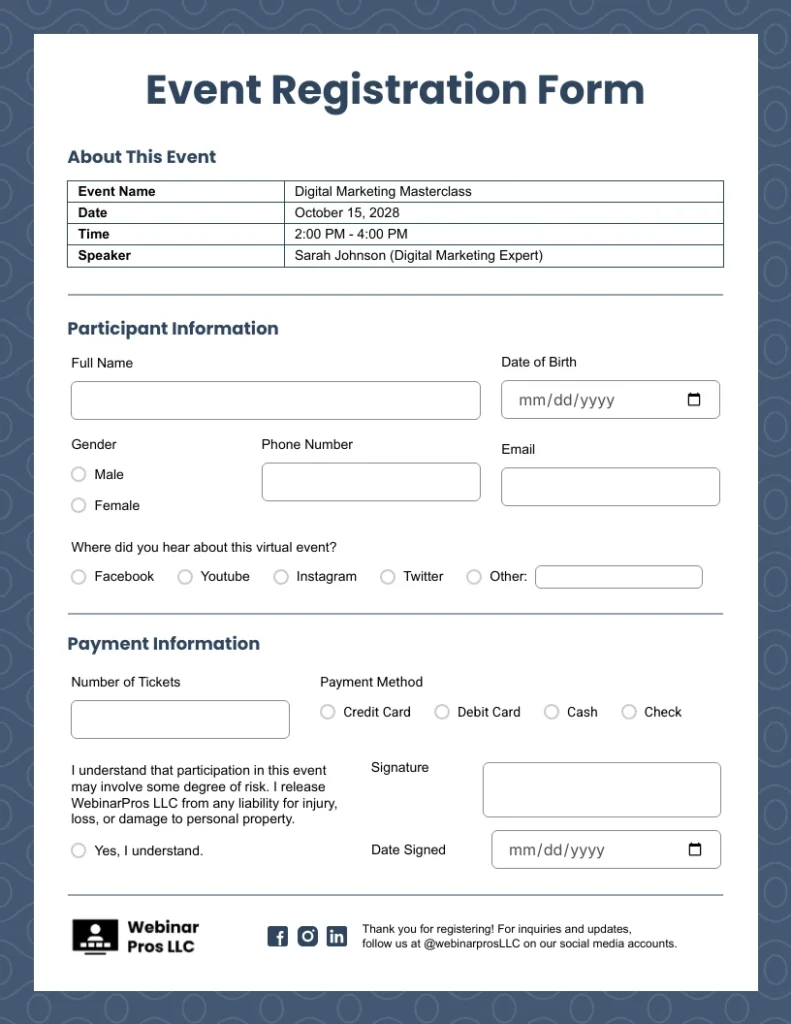
Ultimately, a Meeting Registration Form Template is not a rigid instrument but a clarifying ally. It streamlines intake, supports thoughtful planning, and respects attendee needs. By treating it as a flexible blueprint rather than a fixed declaration, organizers can welcome more participants, reduce confusion, and set a calm, productive tone for any gathering.